
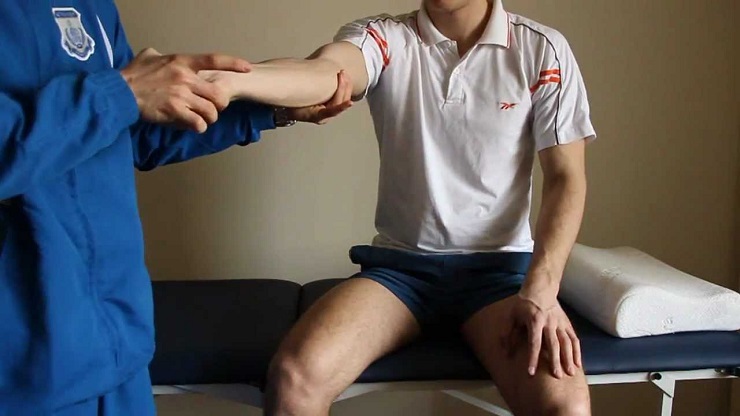
Epicondylitis refers to a painful condition that appears when the area of your elbow is overloaded. It occurs due to repetitive arm and wrist motions. Only athletes do not develop this condition but people who do jobs that put them at risk to develop tennis elbow can also have epicondylitis.
These people are butchers, plumbers, carpenters, and painters. The tennis elbow pain occurs outside of your elbow at the area where your forearm muscles are attached to a bony bump. Pain spread into the wrist and forearm.
Pain relievers and rest overcome the conditions of the tennis elbow. The doctor might suggest surgery if conservative treatments are not helpful for you. Moreover, if your symptoms are severe and disabling then the doctor might recommend surgery.
Symptoms
Pain that is linked with tennis elbow radiates from your elbow’s outside into your wrist and forearm. Weakness and pain make it difficult for you to run a doorknob, hold a cup of tea or coffee and shake hands. It makes you unable to grip any object.
Visiting A Doctor
You should visit a doctor if self-care steps like taking rest, applying ice, and using over-the-counter pain relievers do not provide you relief from the symptoms of elbow pain. Tenderness can cause irritation.
Causes
Tennis elbow is referred to as a muscle strain injury. Repeated contractions of the muscles of the forearm can cause this condition in people. You use these muscles to raise and straighten your wrist and hand. Moreover, repeated stress and motions cause tiny tears in tendons.
Tendons attach the muscles of the forearm to the bony prominence that is located outside of your elbow. As the name shows, repeated use of backhand stroke while playing tennis and poor technique is a risk factor for developing tennis elbow.
Common arm motions also lead to tennis elbow. These motions include painting, repetitive use of computer mouse, driving screws, and using the tools of plumbing. An interesting thing is that cutting up ingredients for cooking such as meat can also cause epicondylitis in people.
Risk Factors
There are some factors that enhance the risk of developing tennis elbow.
These factors are given below.
Age
Tennis elbow can occur in people of all ages but it is common in people between the age of 30 to 50 years.
Occupation
People who do jobs that involve repetitive motions of the arm and wrist are at risk of developing tennis elbow.
Sports
If you participate in racket sports daily then it enhances the risk of developing tennis elbow. Poor stroke technique can also cause epicondylitis.
Diagnosis
The health care providers may take a physical exam from you to diagnose the condition of the tennis elbow in you. In some cases, they take specific tests like X-rays to examine your elbow bones. They check arthritis in your elbow.
Another test that you may have is magnetic resonance imaging. It reveals the severity of the damage. Neck MRI provides the report of your neck if you have arthritis in this area or not. It also shows the problems of the disk in the area of your spine that may cause arm pain.
Your doctor may ask you to go through electromyography of the elbow. It shows the issues of nerves that can cause pain.
Treatment
Avoiding the movement that caused the injury is necessary. Treatment includes:
- Strengthening exercises
- Stretching exercises
- Anti-inflammatory medicines such as naproxen or ibuprofen
- Ice packs
- Rest
- Stopping the specific activity that induces symptoms
The health care provider may recommend you steroid injections if this treatment is not effective for you. They may brace the area for a few weeks in order to keep it in the same position. In case of severe complications, doctors suggest surgery.
A special ultrasound helps to break the scar tissues. It enhances health and increases the flow of blood in that area. Keep your arms strong and flexible to prevent epicondylitis. Avoid repetitive movements of your hand or arm.
Warm up before using arms for repetitive movements, exercise, or sports. Make sure you are using the right equipment if you play racquet sport. Take care of yourself well if you are diagnosed with epicondylitis. Leaving it untreated can lead to serious complications.
Play safe sports and start exercises after taking advice from a professional. It helps you to maintain a healthy routine. Follow all the instructions to play specific sports that involve repetitive movements of arms.

