
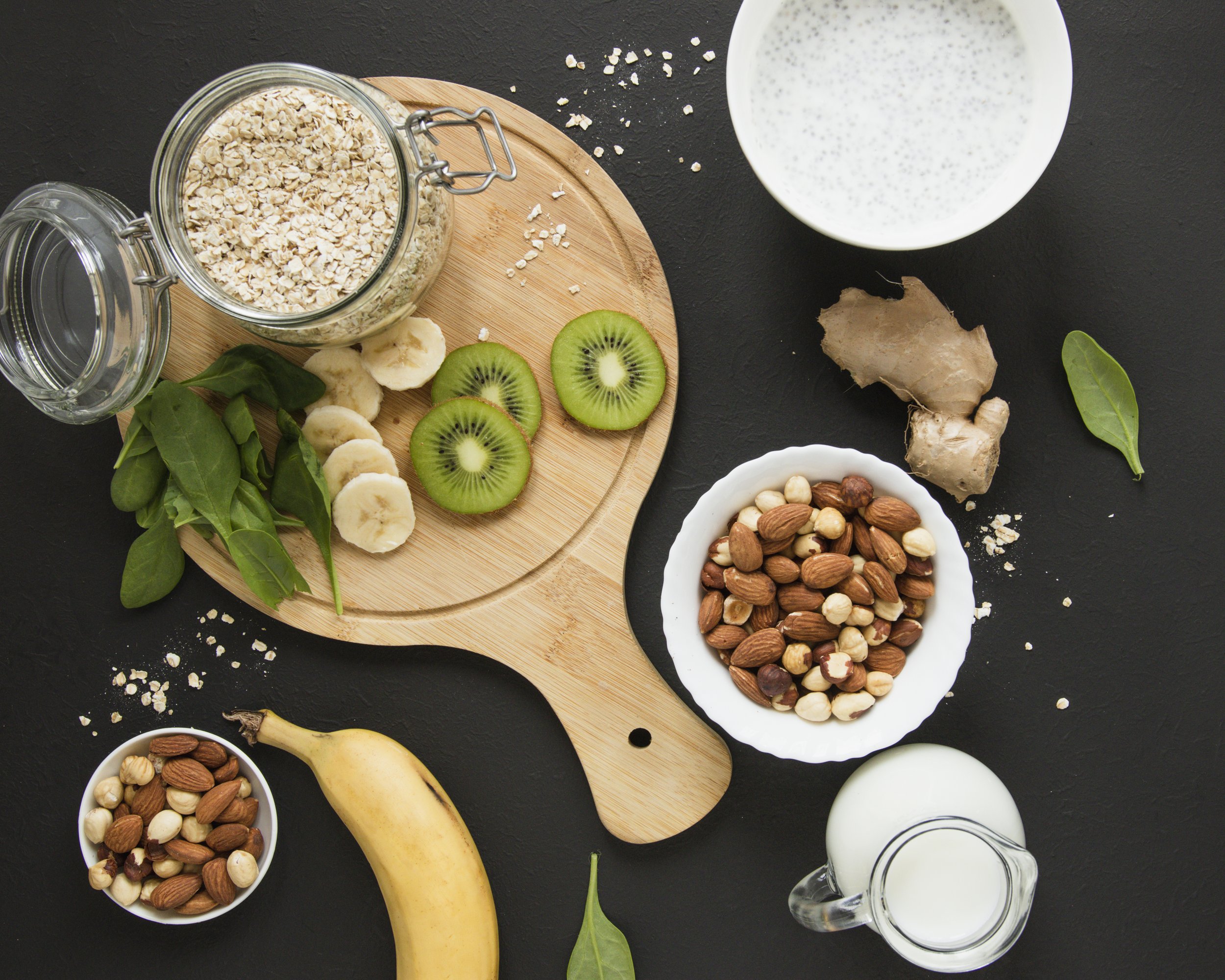
Tapping Plant-Based Vitamins for Everyday Energy
Picture the familiar afternoon energy slump. By mid-afternoon, many reach for a quick pick-me-up like coffee, sugary snacks, or energy drinks. While these can offer a temporary boost, the crash that follows often leaves us feeling worse than before.
Plant-based nutrients are a natural solution, sustaining energy levels without the sharp drops associated with processed fixes. Fruits and vegetables contain vitamins, minerals, and antioxidants that support steady energy production in the body, fueling both mental and physical endurance.
By incorporating vitamins from these natural sources, individuals can power through their day with cleaner, longer-lasting vitality. This foundation of nutrients sets the stage for a healthier lifestyle, offering benefits far beyond just avoiding fatigue.
Essential Nutrient Profiles in Fruits and Vegetables
Fruits and vegetables are packed with vitamins that are vital to our bodies. Here are four key examples:
- Vitamin C: Known for supporting the immune system, this antioxidant helps protect against free radical damage and assists in collagen production for skin and tissues.
- B-Complex Vitamins: Vitamins B1, B2, B6, and B12 play crucial roles in converting food into energy at a cellular level, improving metabolism and brain function.
- Vitamin A Precursors (like beta-carotene): Found in orange and yellow produce, these compounds promote eye health, cell growth, and immune function.
- Vitamin K: Essential for blood clotting and bone health, green leafy vegetables like spinach and kale are excellent sources of this nutrient.
Research continues to highlight the link between high vitamin intake from produce and improved health outcomes, with studies showing reductions in inflammation and chronic disease risks. This makes fruits and vegetables indispensable for maintaining well-rounded nutrition.
Maximizing Absorption of Produce-Derived Nutrients
Not all nutrients from fruits and vegetables are absorbed equally. The way we prepare and pair them with other foods can make a big difference.
Factors that can optimize absorption include:
- Pair fat-soluble vitamins with healthy fats: Vitamins like A, D, E, and K are better absorbed when accompanied by fats. For example, adding olive oil to sautéed spinach can enhance vitamin K absorption.
- Reduce excessive heat exposure: Cooking can destroy heat-sensitive vitamins like vitamin C. Light steaming or sautéing preserves more nutrients than boiling or frying.
- Chopping or blending: Breaking down raw vegetables, such as mincing garlic or blending berries, makes nutrients like allicin and antioxidants more bioavailable.
Practical tips to improve nutrient retention:
- Lightly steam carrots instead of boiling them to preserve beta-carotene.
- Toss leafy greens with a drizzle of avocado or olive oil for both flavor and enhanced absorption.
Integrating Diverse Produce for Full Nutrient Spectrum
To maintain balanced nutrition, focus on variety. Different fruits and vegetables offer unique vitamins and minerals, so mixing them ensures a well-rounded intake. A diverse diet also keeps meals exciting and flavorful.
Sample Weekly Rotation for Variety:
| Day | Breakfast | Lunch | Dinner |
| Monday | Smoothie with spinach, banana, and berries | Mixed quinoa salad with bell peppers | Stir-fry with broccoli and carrots |
| Tuesday | Oatmeal topped with apple slices | Wrap with shredded lettuce and avocado | Grilled zucchini and sweet potatoes |
| Wednesday | Yogurt bowl with chopped mango | Spinach and tomato sandwich | Lentil soup with kale |
| Thursday | Scrambled eggs with herbs and mushrooms | Cucumber and hummus platter | Veggie-packed pasta with marinara sauce |
| Friday | Pear and almond butter | Grilled veggie burger with slaw | Steamed asparagus with salmon |
| Saturday | Smoothie bowl with kiwi and pineapple | Couscous with roasted veggies | Stuffed bell peppers with quinoa |
| Sunday | Whole wheat toast with sliced avocado | Greek salad with olives | Eggplant casserole |
For a deeper understanding of supplementing your diet with fruit and vegetable vitamins, visit fruit and vegetable vitamins.
Sustained Benefits of Consistent Produce Intake
Regularly eating fruits and vegetables improves long-term health. Nutrients from these foods promote energy stability throughout the day, balanced mood, and vibrant skin. Their antioxidants fight cellular damage, which helps slow the aging process.
A diet rich in fruits and vegetables also reduces the risk of chronic illnesses like heart disease and diabetes. Large-scale studies repeatedly show those with high produce intake experience better physical and mental health over time.
Rather than being a temporary fix, focusing on consistent produce consumption builds a foundation for lifelong vitality.
Next Steps to Embrace Plant Nutrient Power
To begin optimizing your nutrition, start incorporating simple habits:
- Shop for one new vegetable each week to broaden your palette.
- Replace one processed snack daily with a fresh fruit alternative.
- Plan colorful meals that include three or more types of produce.
These small changes add up over time, creating lasting benefits for energy, health, and overall wellness.

